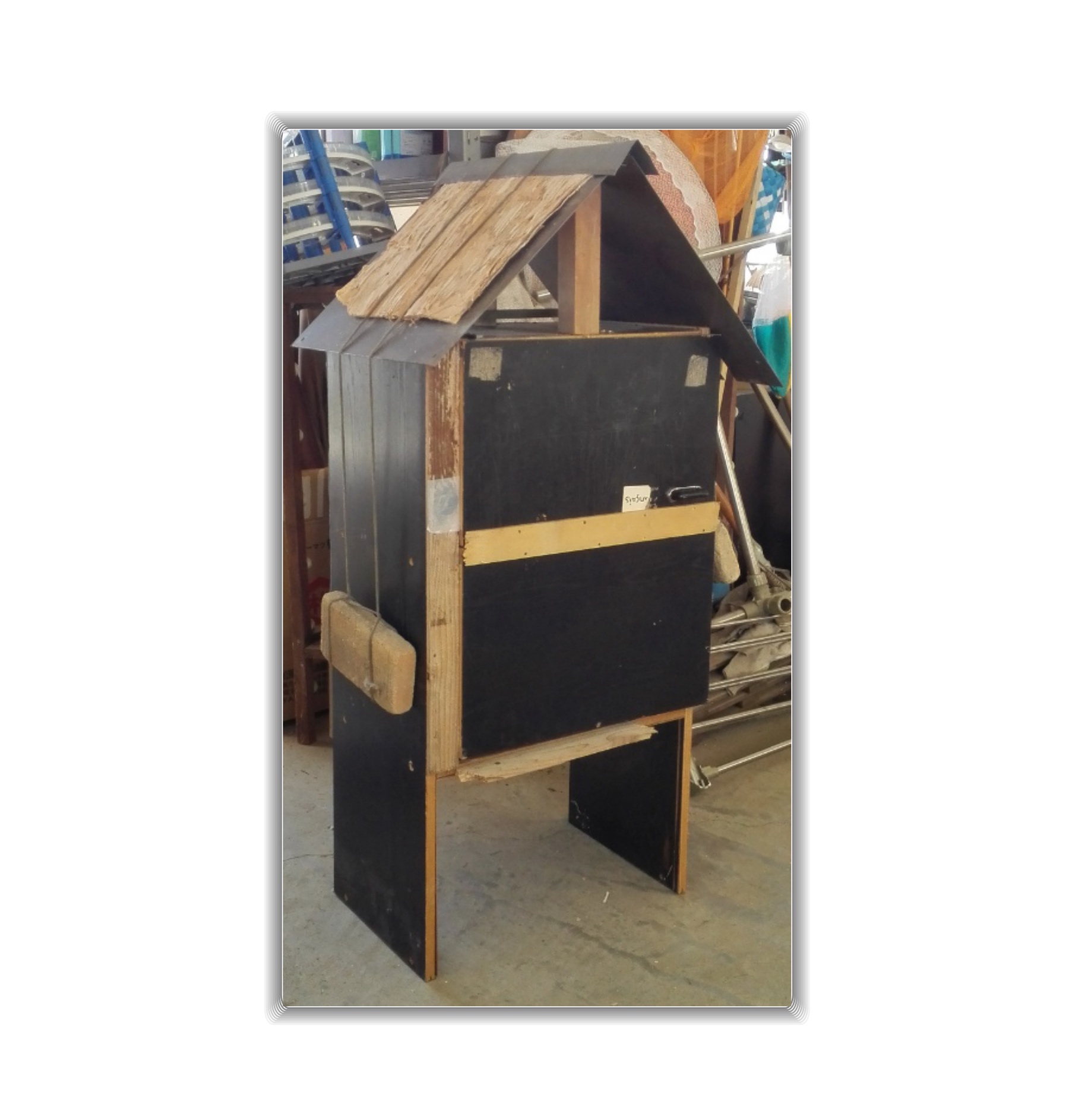
I also made this last week. I`d been meaning to (= intending to) make it for a long time - since I first got my pet chickens last spring (that`s a hint!). It didn`t take long* to make - only about 30 minutes, but I hope it lasts [保つ] a long time. What do you think it is?
Grammar
- * 'long' = 'a long time`: 'a long time' is used in positive sentences; 'long' is used in questions or negative sentences, not positive sentences.
Over* the new year holidays I made this. What is it? Can you guess? I`ll give you a hint: I put it outside in the garden; the string with bricks (レンガ) over** the top is to keep the roof on in windy weather. Now it`s empty, but when winter is over***, I hope it will be used by... something. Okay, hint time is over***!
Over**** to you - what do you think it is? Please leave your idea in comments!
Vocabulary:
The word 'over' has various meanings, e.g.
* during, throughout ** on, covering *** finished **** change, switch
On a lighter note [もっと気軽話題に変えると], today we released the first video in our new YouTube series, 'English Phrases for Living Abroad, Part 2.'
We will release a new episode on Tuesday each week. All videos are short (under 2 minutes), light-hearted [気楽な] & feature useful English phrases for traveling abroad. So if you plan to go overseas, just want to improve your English, or enjoy bad gags, please go to YouTube & check them out!
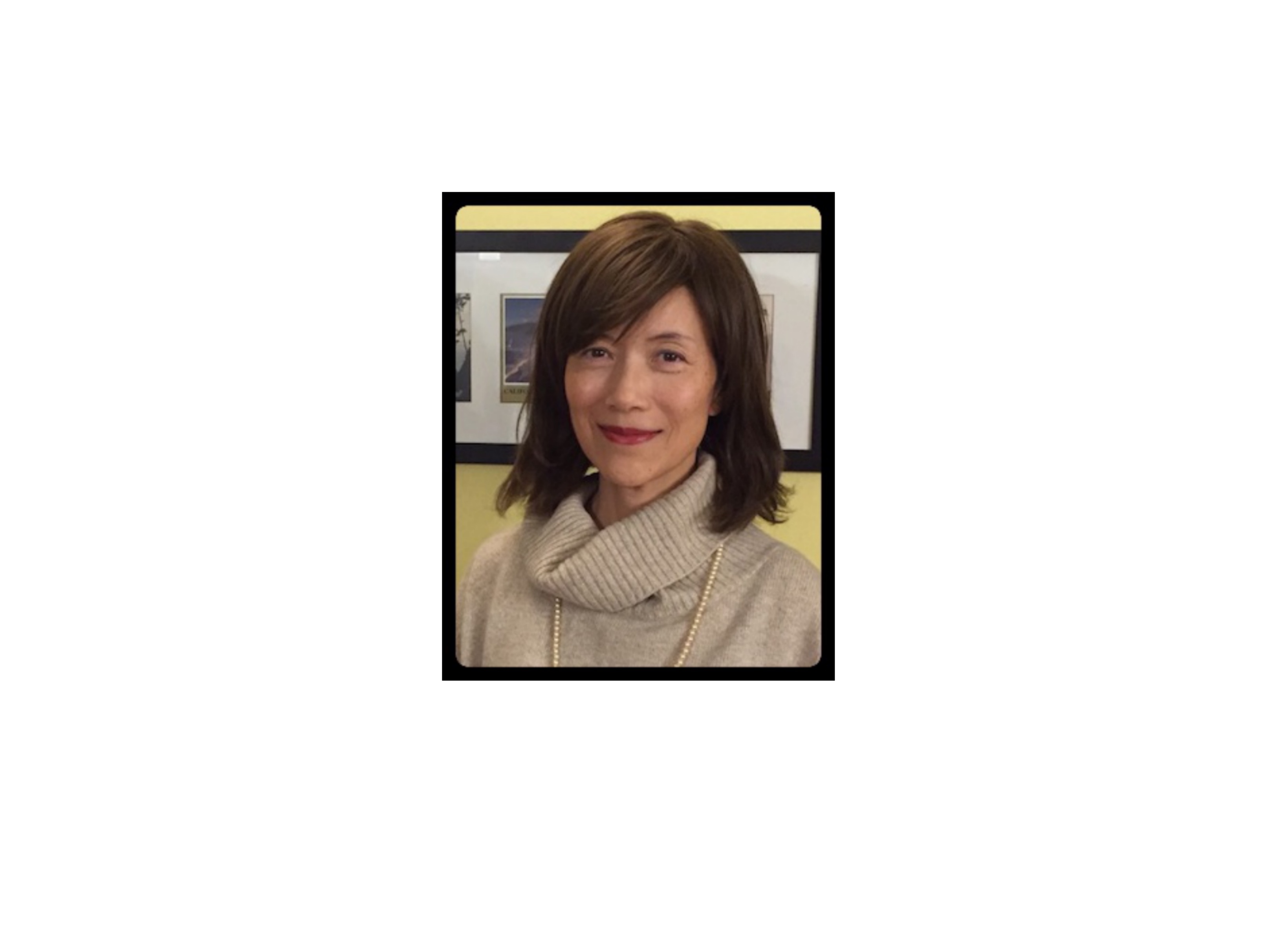
I`m sad to report that Teragoya founder, owner & manager, Akemi Doyle, passed away last week from cancer.
Thanks to her, I joined Teragoya 11 years ago, and thanks to her, I stayed. Actually, I have lots of things to thank her for - too many to list here. She was a good boss & a good person.
From Teragoya Otto to Teragoya Akemi, thank you & rest in peace.
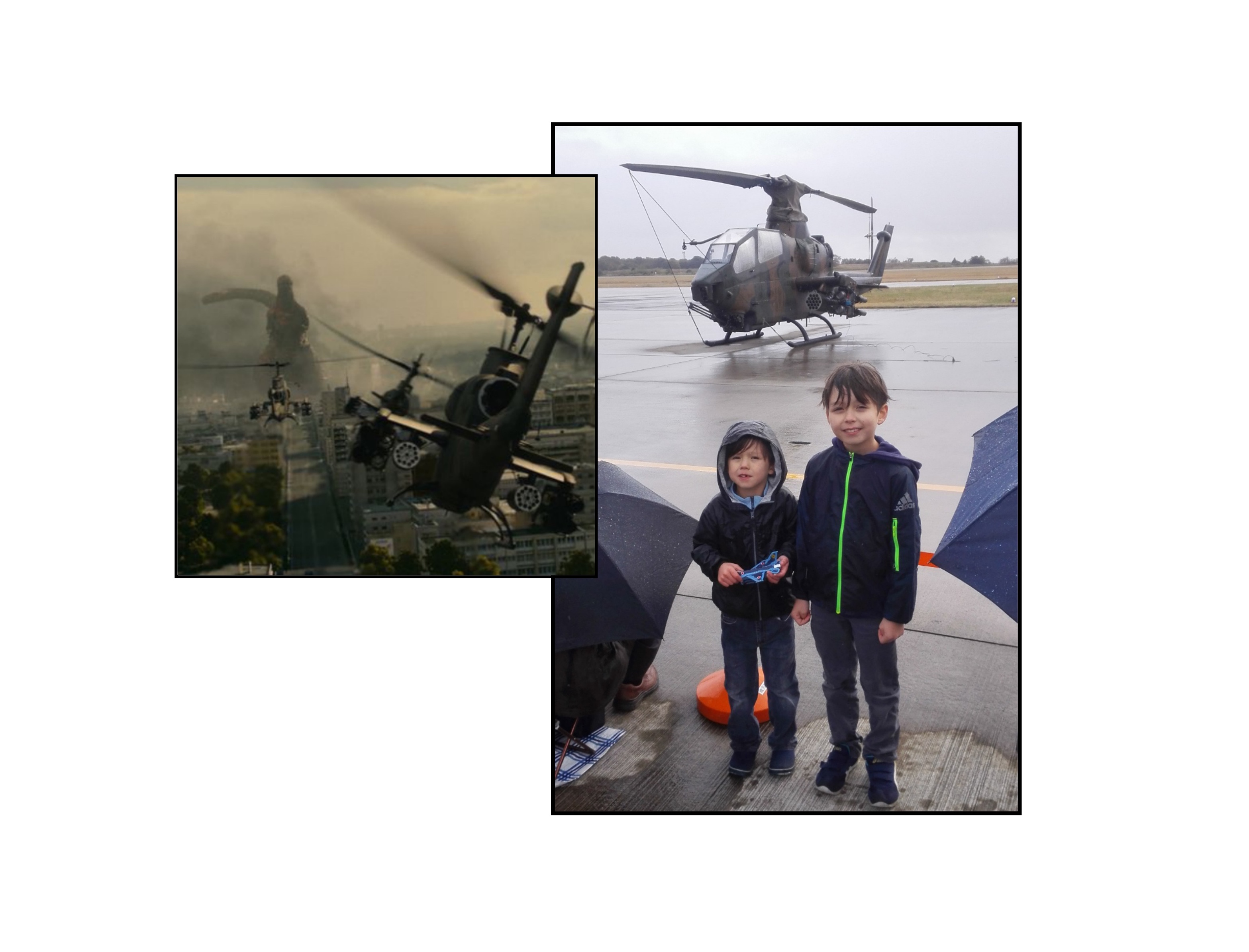
The night before going to the annual Gifu Kakamigahara airshow, my family watched the movie 'Shin Godzilla' on TV. In the movie, helicopters attack Shin Godzilla. The next day, my kids were really excited to see a real version of that type of helicopter. I hope they don`t think Godzilla is real too...
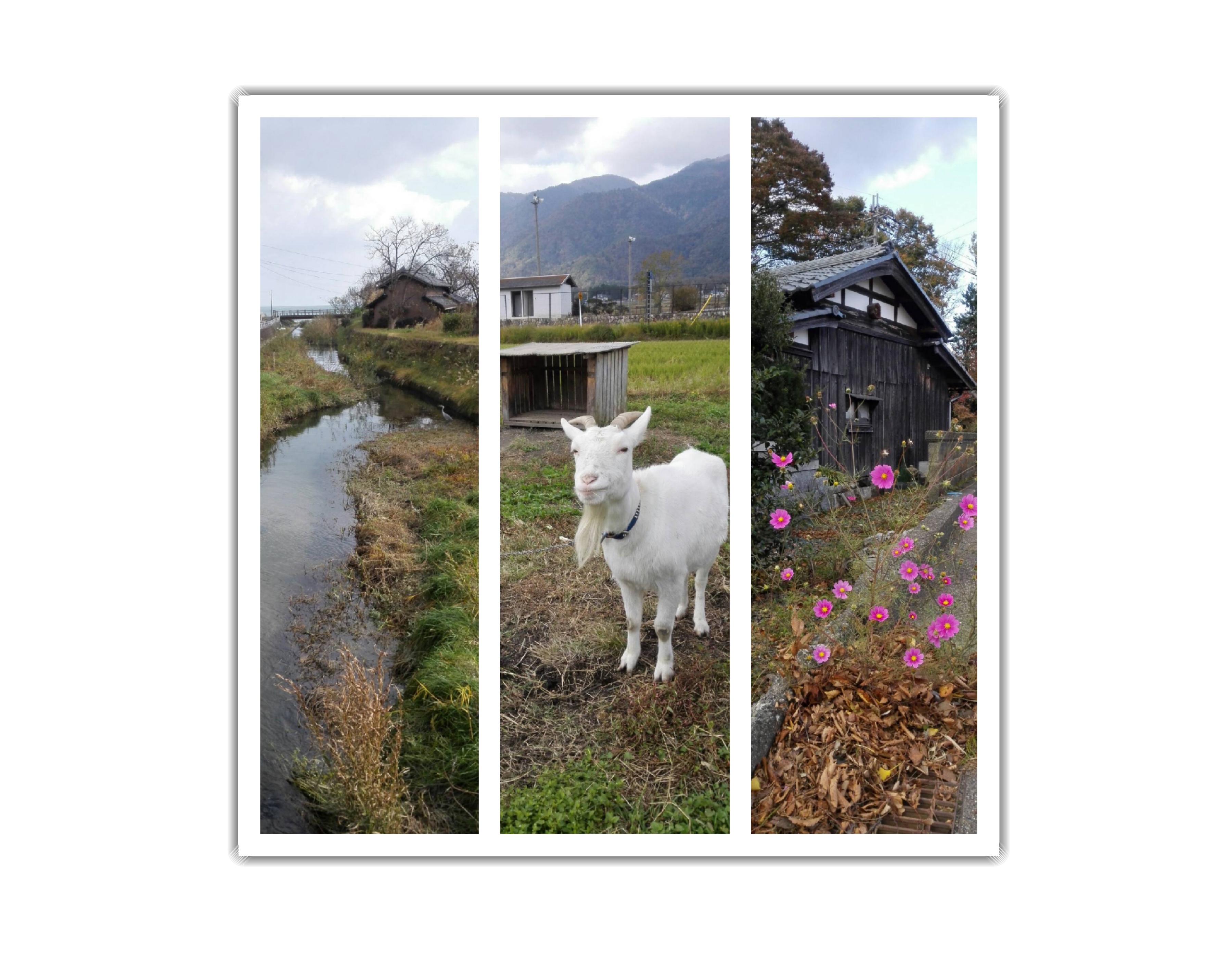
The final leg of my cycling trip around Biwa Lake was up the left side, from Otsu to Makino. It`s quite a long way, but fortunately there were good bike paths & wide footpaths most of the way. There was also a lot of nice scenery. I enjoyed myself.
My destination was a scenic tree-lined road called Metasequoia Namiki (メタセコイヤ並木), which my wife recommended seeing. Have you ever been there? I reached it just before sunset. After that I caught a train to Tsuruga, on the Japan Sea coast, camped there one night, & returned to Ichinomiya by train the next day.
While cycling around Lake Biwa, I took photos of any unusual cars that I saw. I saw German cars e.g. the dark green Volkswagen Karmann, French cars e.g. the Citroen 2CV, British cars e.g. the Mini Coopers, and of course Japanese cars such as the white Mitsubishi Galant GTO - I think out of all of them, that`s my favourite. How about you?
Vocabulary:
- Germany (国) --> German (形容詞) ['ドイツ'はドイツ語です]
- France (国) --> French (形容詞)
- Britain (国) --> British (形容詞)
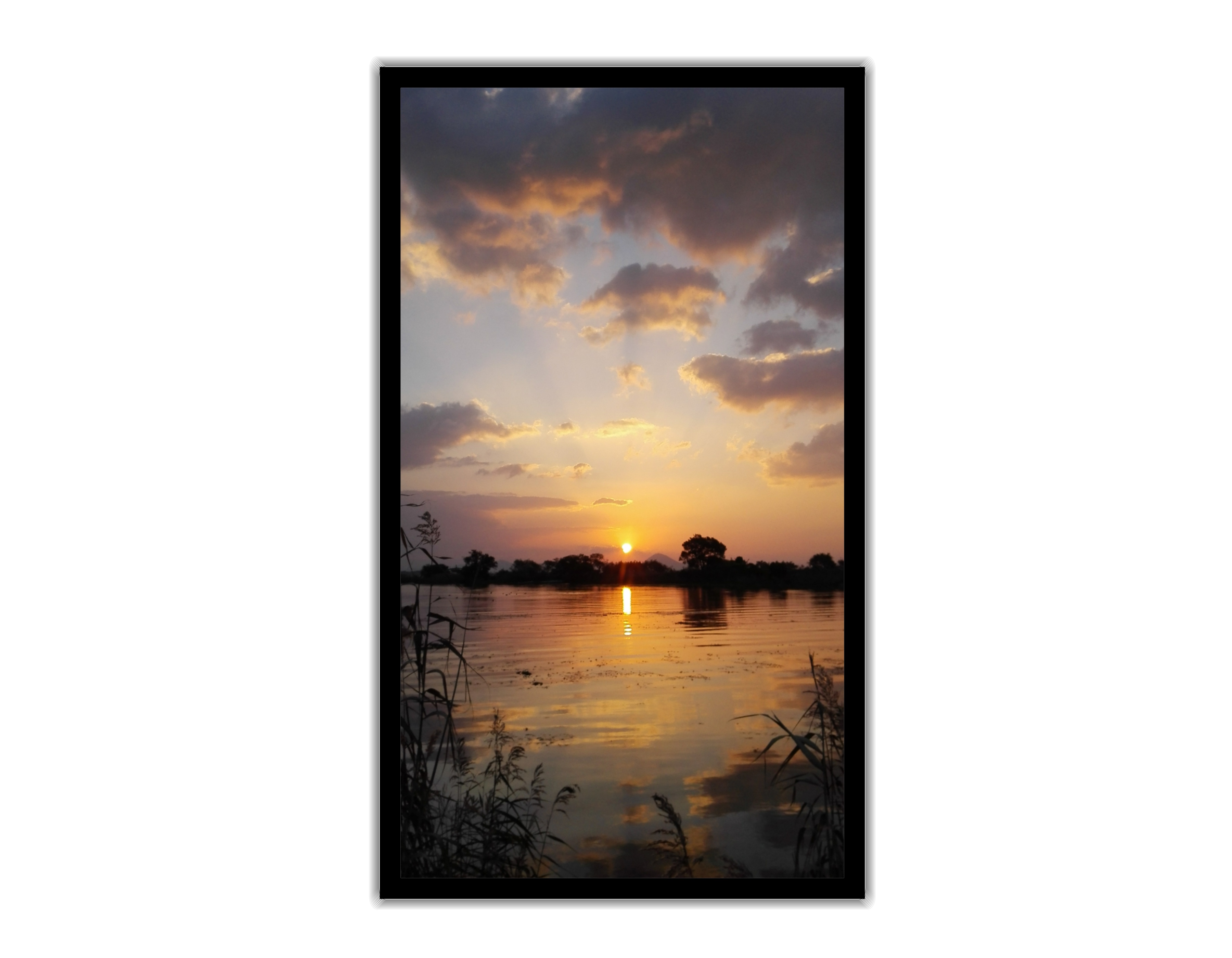
I camped by Biwa Lake again. Although it was cold, I hardly noticed because I was so tired after riding all day. However, I got up before dawn the next morning. I hardly ever get up so early, so I hardly ever see the sun rise. I took this photo with my phone. Actually, I took a bunch of photos - when I`d finished, I had hardly any power left in my phone battery - oops!
Vocabulary:
- 'hardly' = almost zero, so 'hardly ever' = almost never, 'hardly noticed' = only noticed a little, 'hardly any __' = almost no ___, 'hardly anybody' = almost nobody
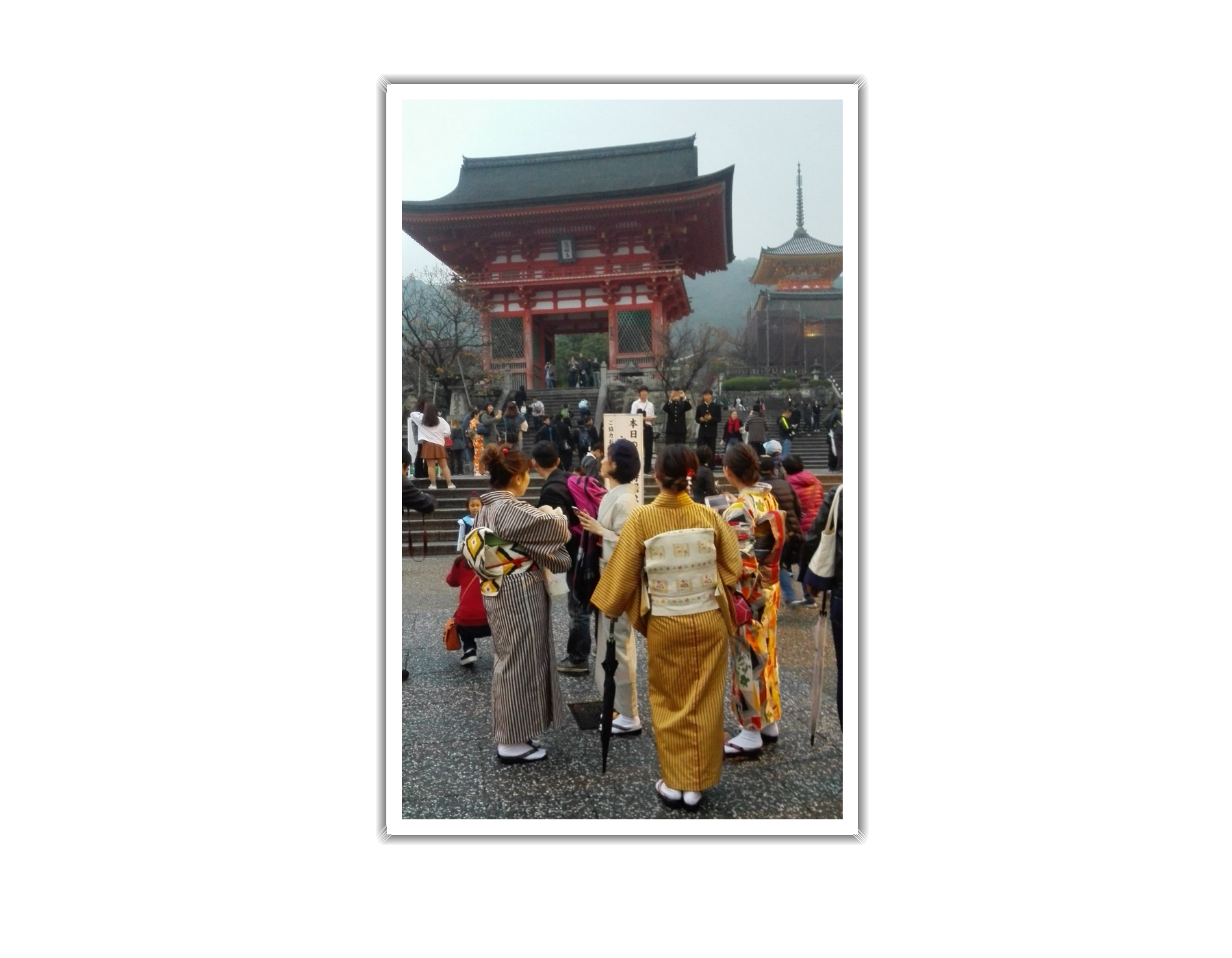
I rode my bicycle across Lake Biwa & over the hills to Kiyomizu Temple in Kyoto. It was raining, & I wasn`t wearing* weather-proof clothes, so I bought a cheap raincoat at a convenience store (my old raincoat was worn out**).
When I arrived at Kiyomizu Temple, I saw a lot of people wearing* kimonos. Actually, most of them were Chinese, not Japanese, but they looked nice. I took some photos then went to Kyoto Station to catch a train back to Lake Biwa. I didn`t want to ride my bicycle back over the mountains. After riding all day I was pretty worn out***.
Vocabulary:
*wear = 着る
**wear out = 使い古す, worn out = 使い古した
*** wear out = 疲らす, worn out = 疲れ
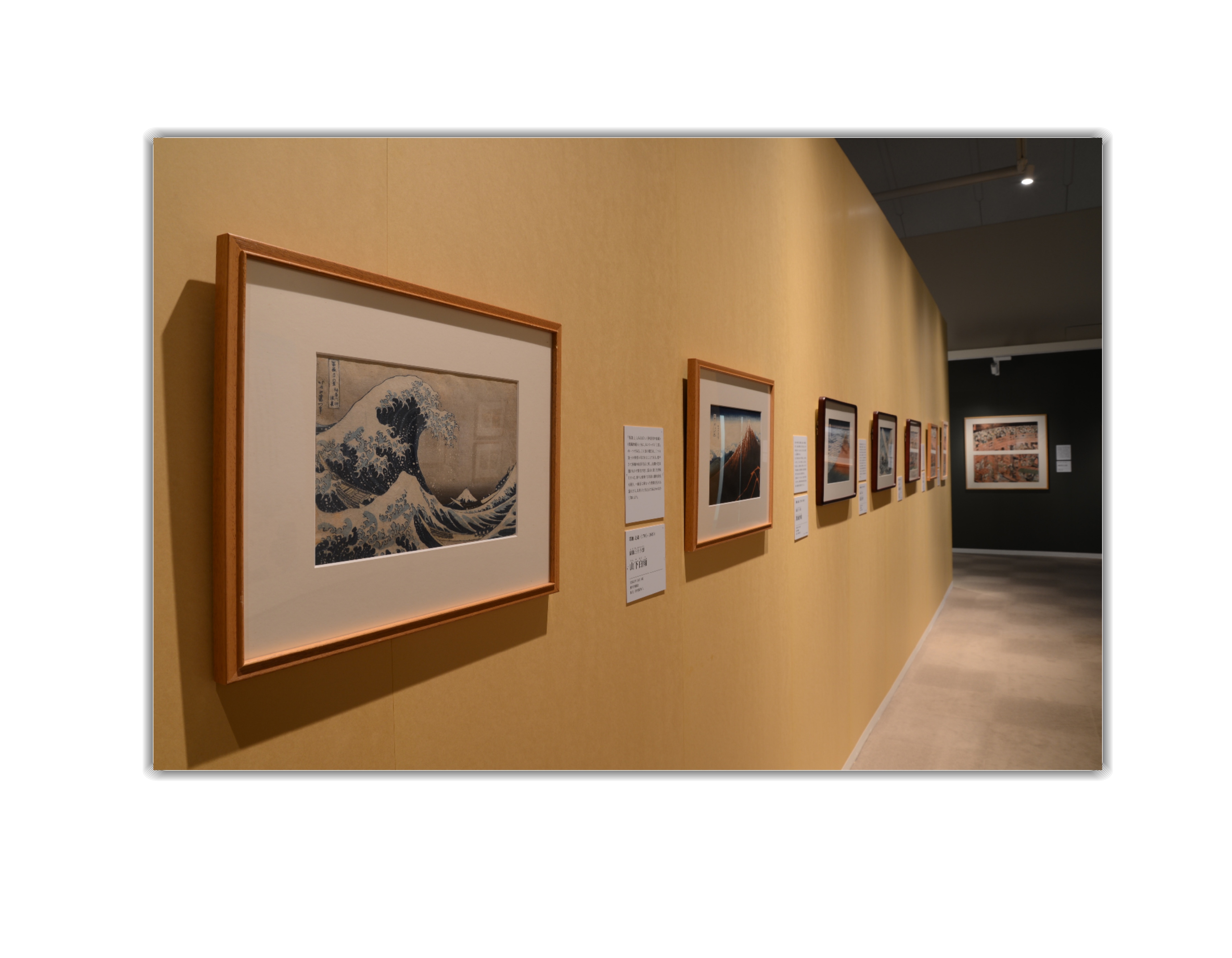
A student recommended visiting Sagawa Art Museum in Moriyama City, & I`m glad I followed his advice. Their permanent exhibition (常設展示) is good - I especially liked the bronze statues (銅像) by Sato Churyo, and Hirayama Ukio`s watercolours. There was also a temporary exhibition (一時的な展示会) of famous Japanese 'Ukiyo-e' woodblock prints. I was lucky.
Like my student, I recommend you visit this museum, but if you want to catch the Ukiyo-e exhibition, I suggest you hurry - it finishes this Sunday.
I have a lot of hobbies & interests, and I`ll be writing about some of them on this blog. If you enjoy what you read, please leave a comment. I`ll try to use simple English so even if you`re not confident about reading English, I think you can understand. Thanks for visiting my blog!